Bourrienne Hotel

Full catering

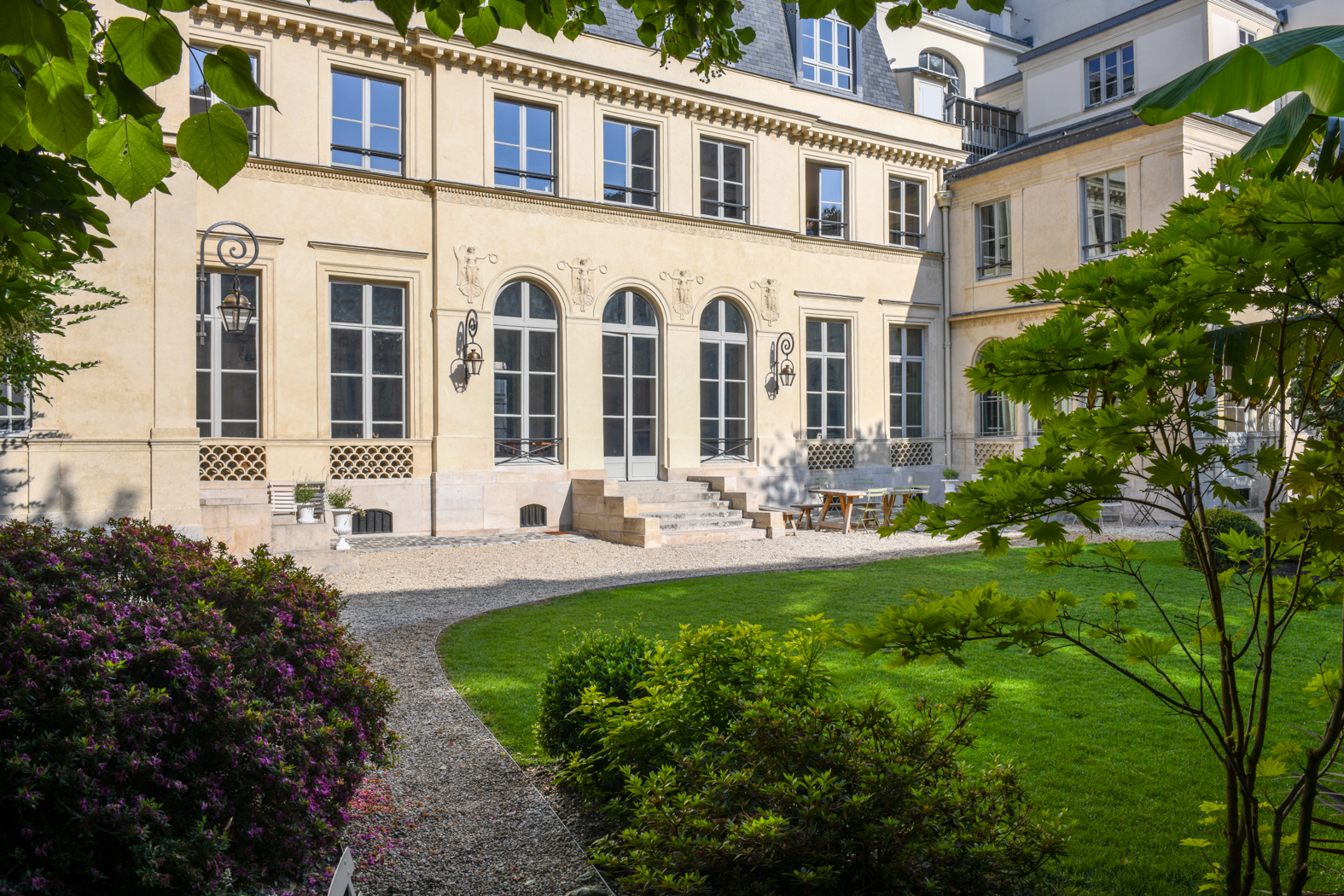
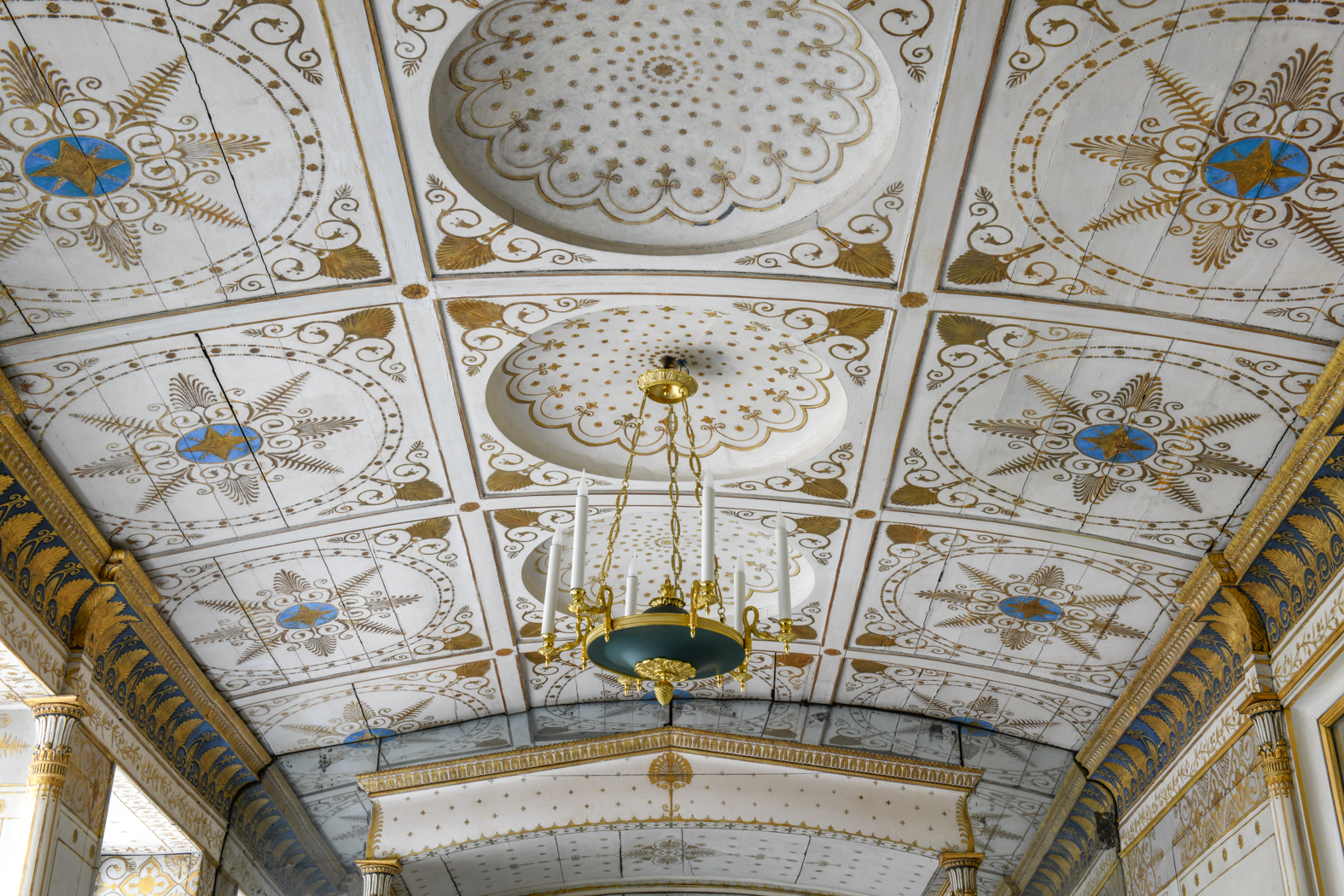
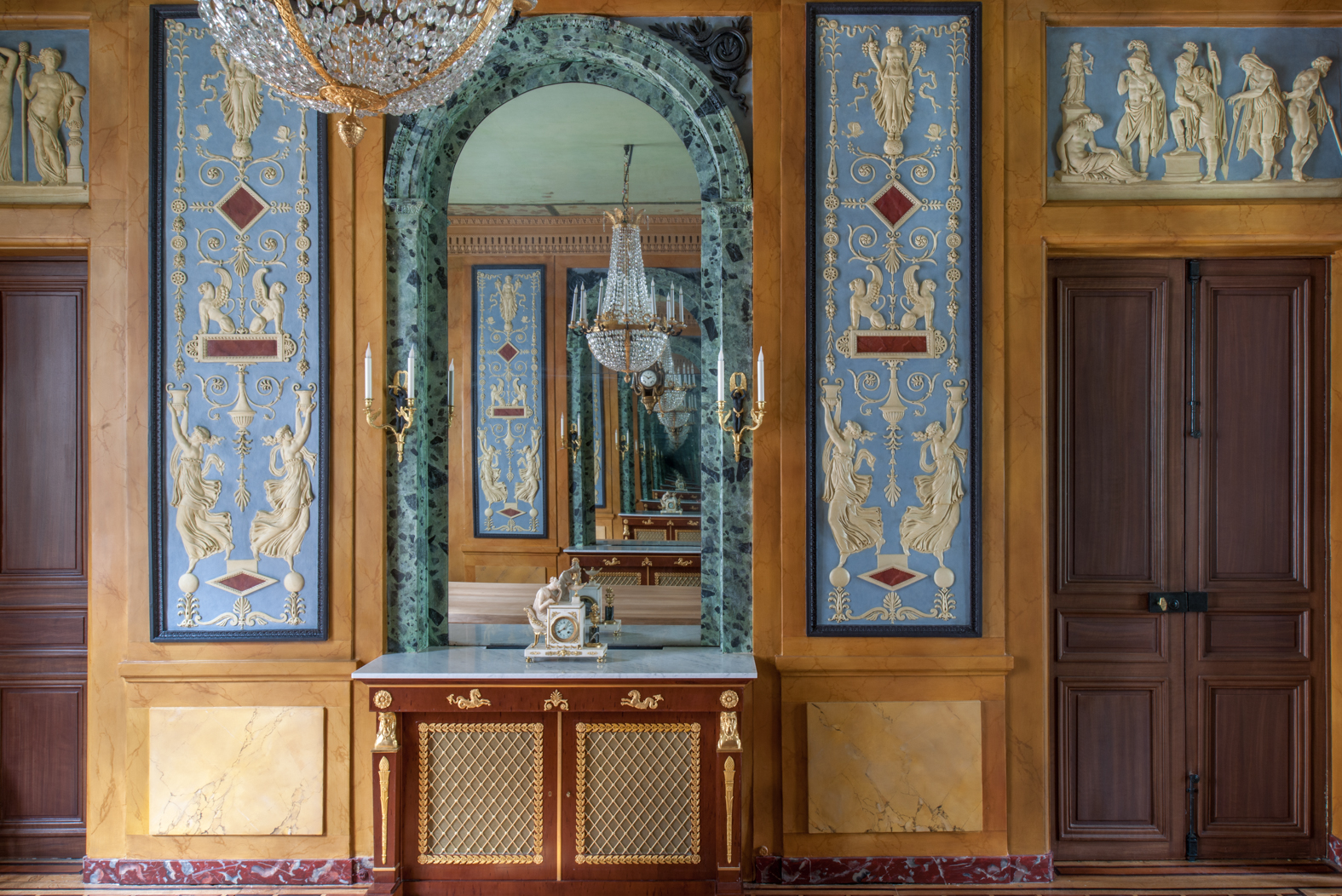
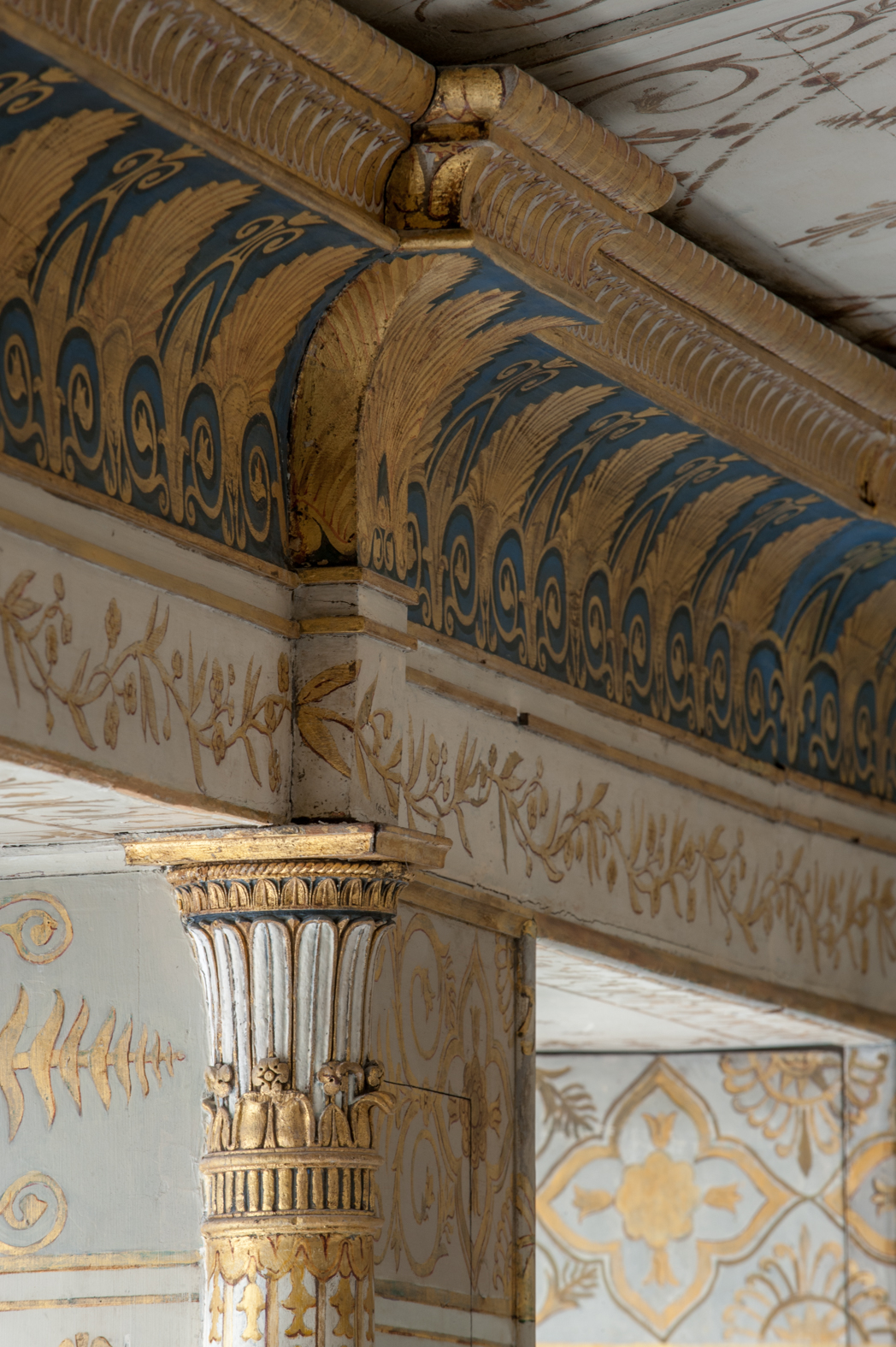
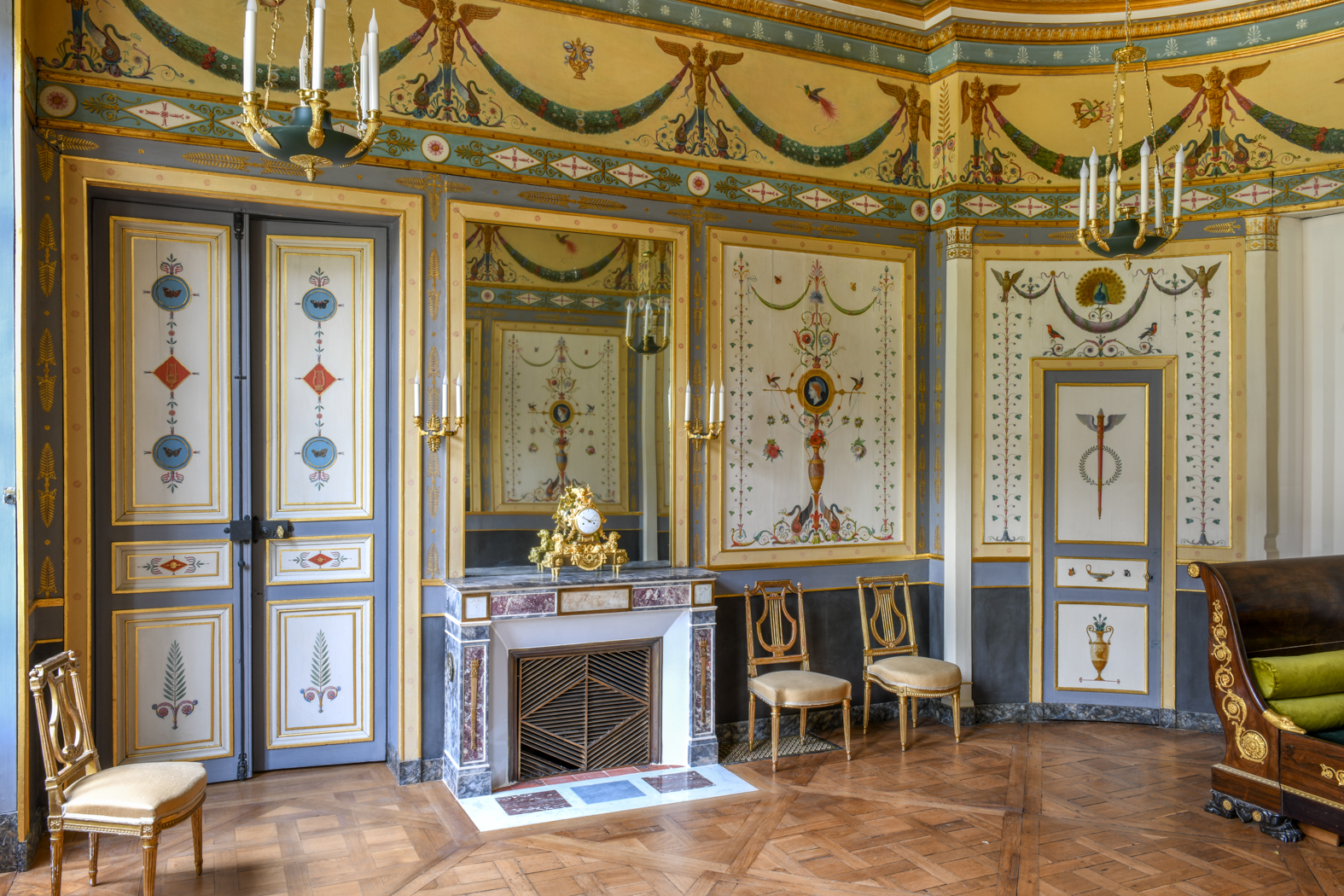
Built before the Revolution, the Hôtel Bourrienne retains its Directoire-style décor, which has now been fully restored, revealing both its rich history and the consistency of its original décor.

Paris, 10th arrondissement
France
Project owner

Private

Type of operation

Restoration and upgrading to standards

Mission(s)

Complete project management

Restoration of the roof and interior

Technical compliance

Diagnostic study conducted in 2016

Surface

990 square meters

Amount of work

N.C.

Delivery

2020

The Hôtel Bourrienne, located in the 10th arrondissement of Paris, was built before the Revolution and acquired in 1792 by Jean Lormier-Lagrave (1744-1794), a sugar cane industrialist in the West Indies. Bequeathed to his daughter Fortunée Hamelin (1776-1851), who had new interior fittings installed in 1795, it is one of the few Parisian mansions in the Directoire style. Listed as a historic monument since 1927, it was purchased in 2015 by a private company wishing to install offices and reception areas there.

In 2016, an initial diagnostic study paved the way for the restoration of the building and its decorations, while also making it possible to read the old distributions again.


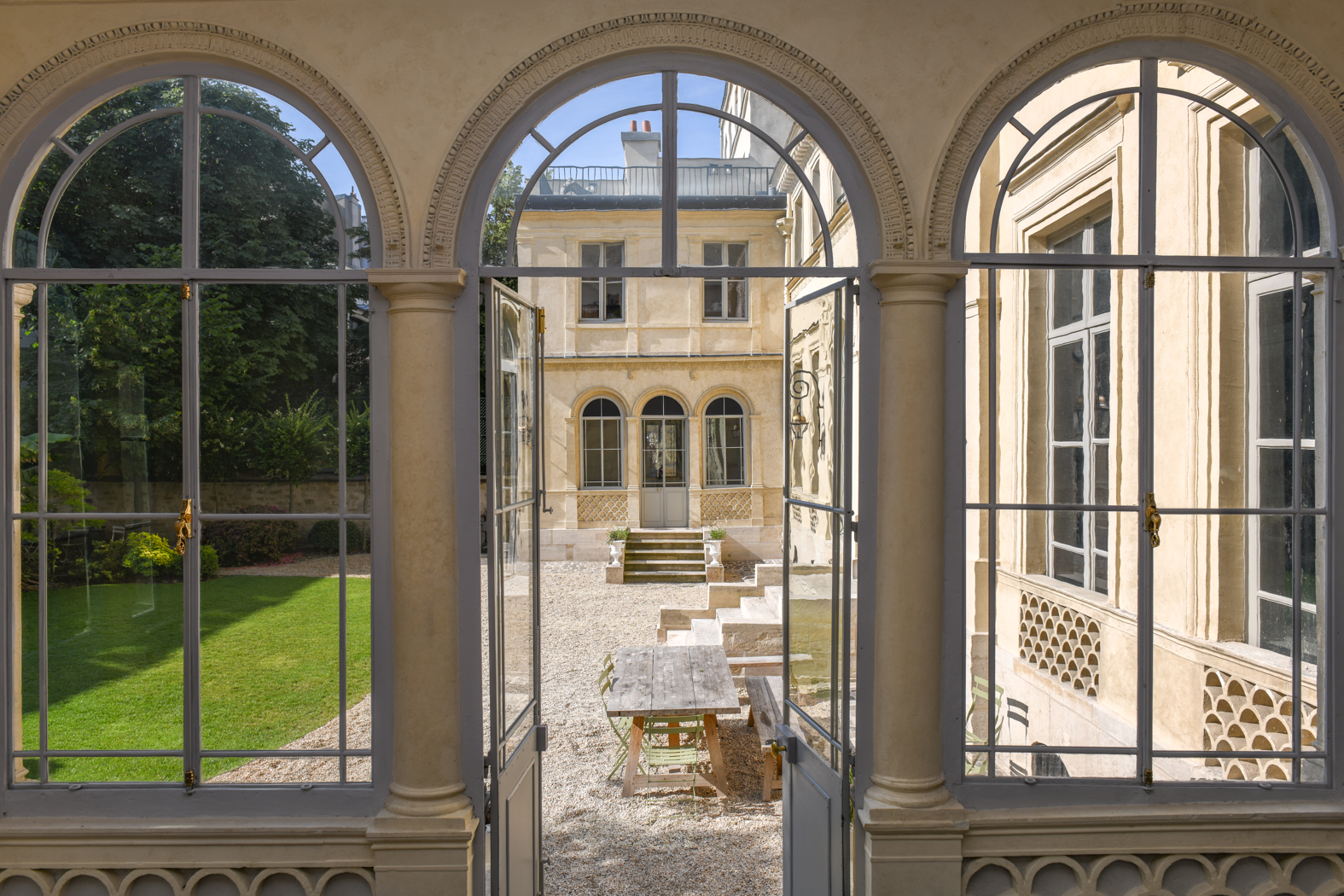
The restoration of the walls and roof made it possible to secure the structure, restore the waterproofing of the roofs, and restore all of the exterior woodwork, in accordance with the original specifications.


The restoration of the painted decorations then revealed a previously unseen decorative ensemble, concealed beneath modern repainting, particularly on the ground floor: in the vestibule, a painted decoration resembling tent canvas was restored; in the dining room and small lounge, stratigraphic surveys made it possible to trace the complex chronology of successive interventions and restore the rich colors of the compositions.  On the first floor, in Fortunée Hamelin's bedroom, the period stretched canvas frieze was carefully cleaned, consolidated, and restored using natural resin-based paint. In areas of high heritage value, modern technical equipment is virtually invisible: it has been integrated into the furniture or concealed in the floors and ancillary spaces such as cellars, attics, and outbuildings, providing optimal comfort while preserving the architectural and historical qualities of the building.


In 2020, these operations led to the complete restoration of the hotel's original decorative style, revealing the richness and consistency of its original décor.

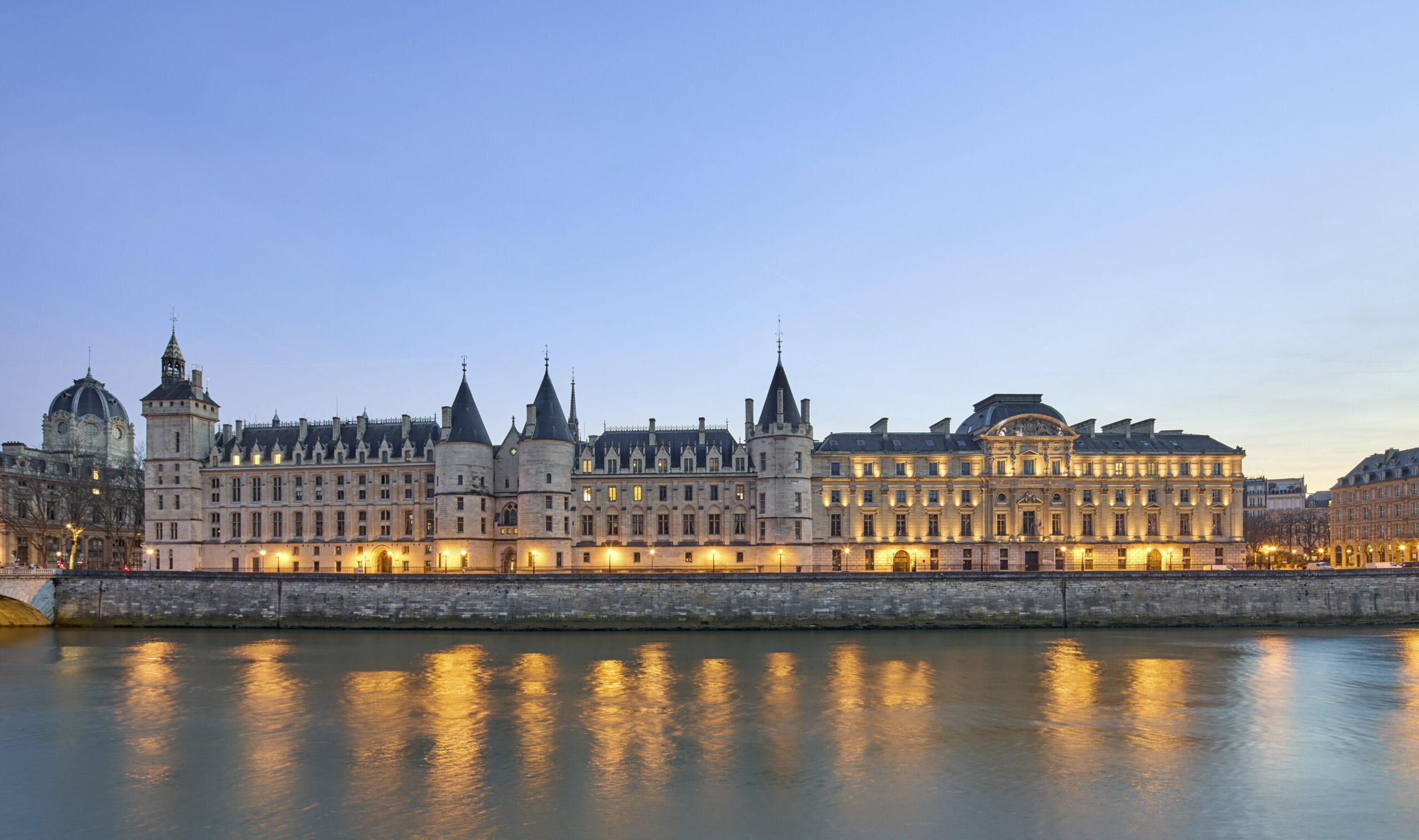
Palais de justice / Paris 1ᵉʳ arr.

  • Restructuring, restoration and upgrading
FABRICE-BESSON__D5A2991_HDR_BD