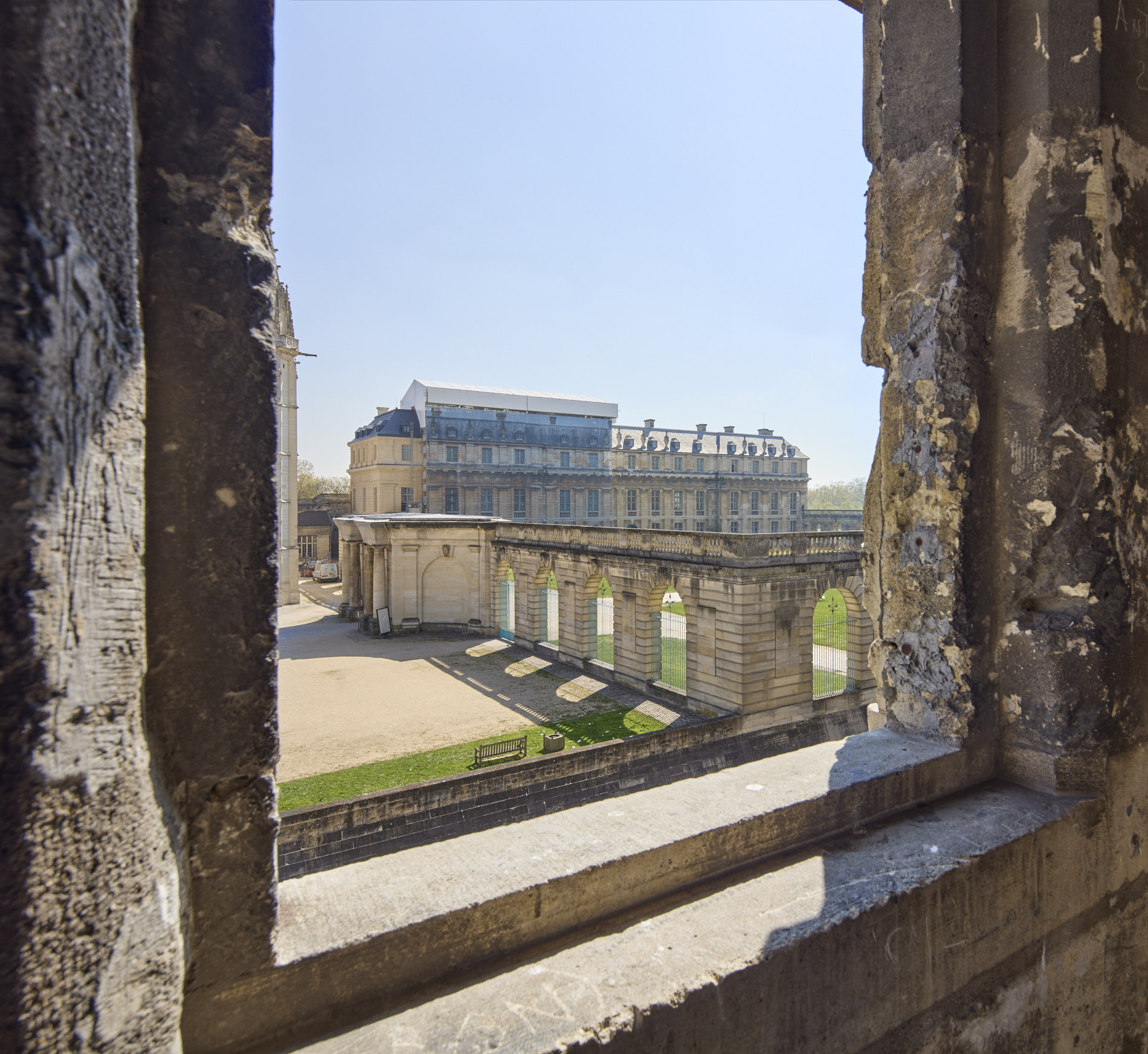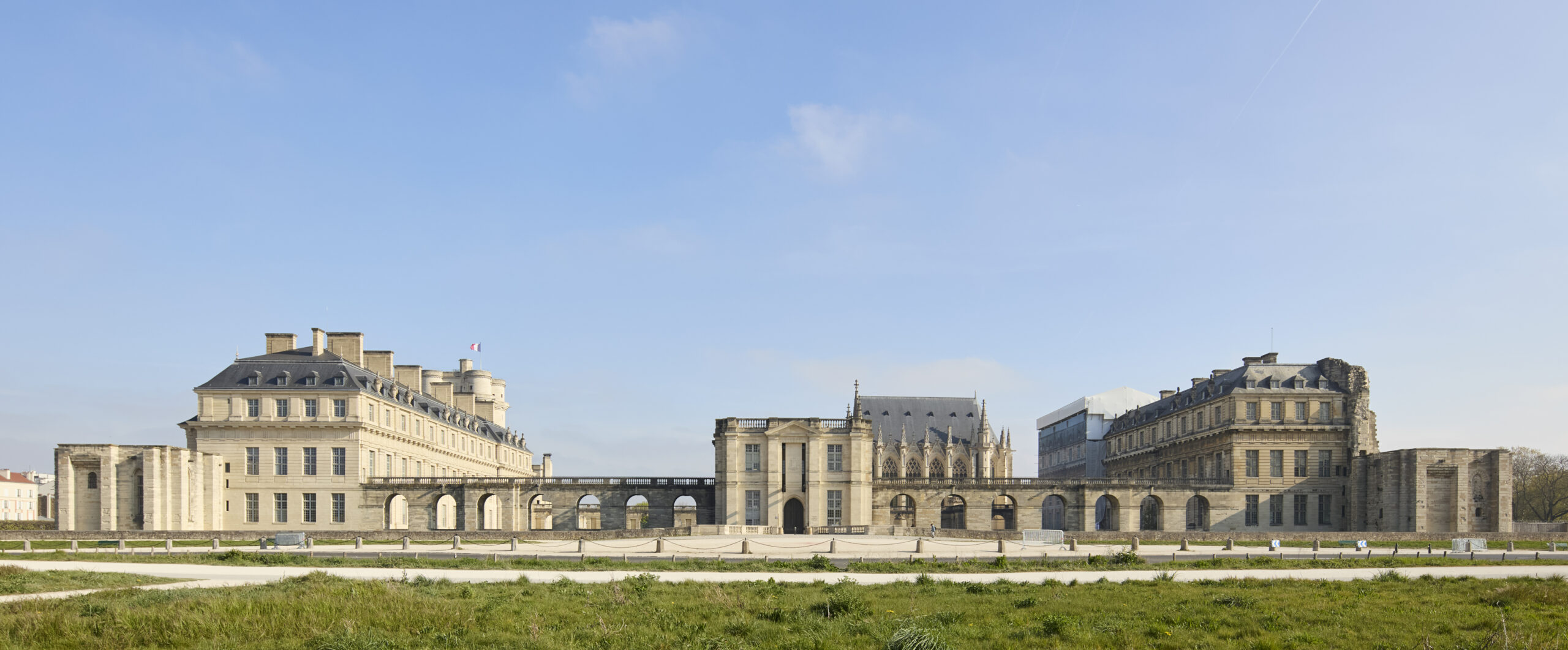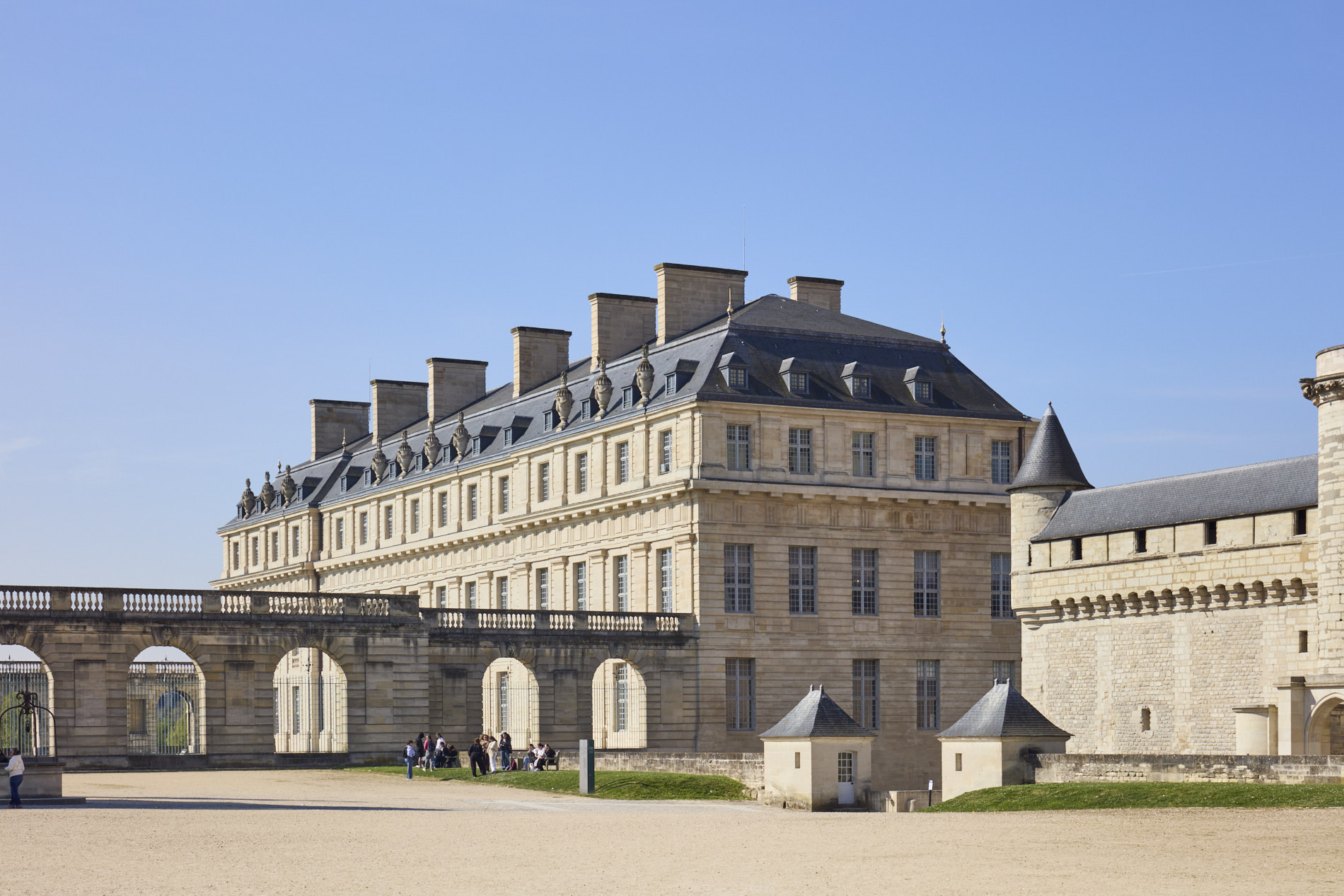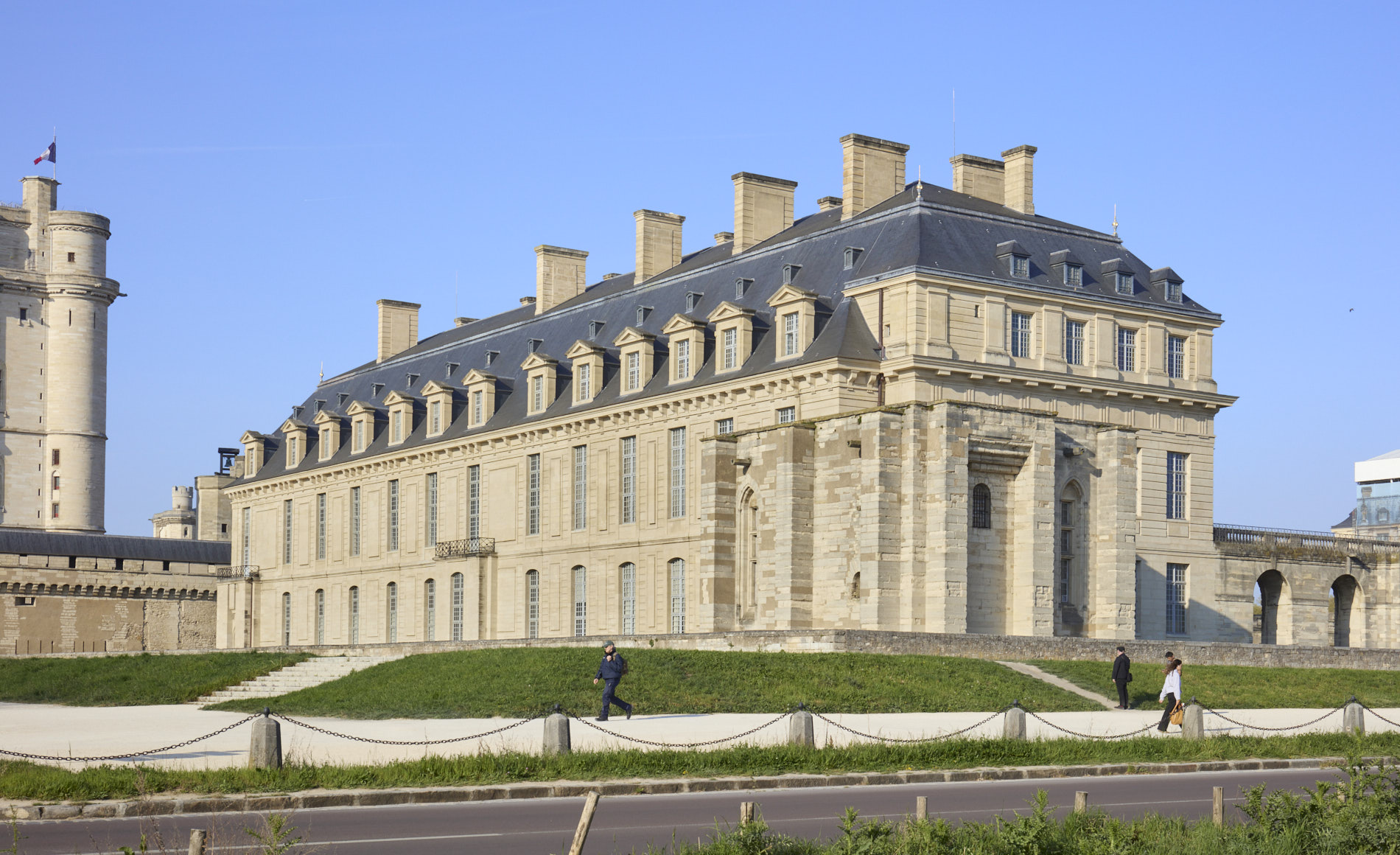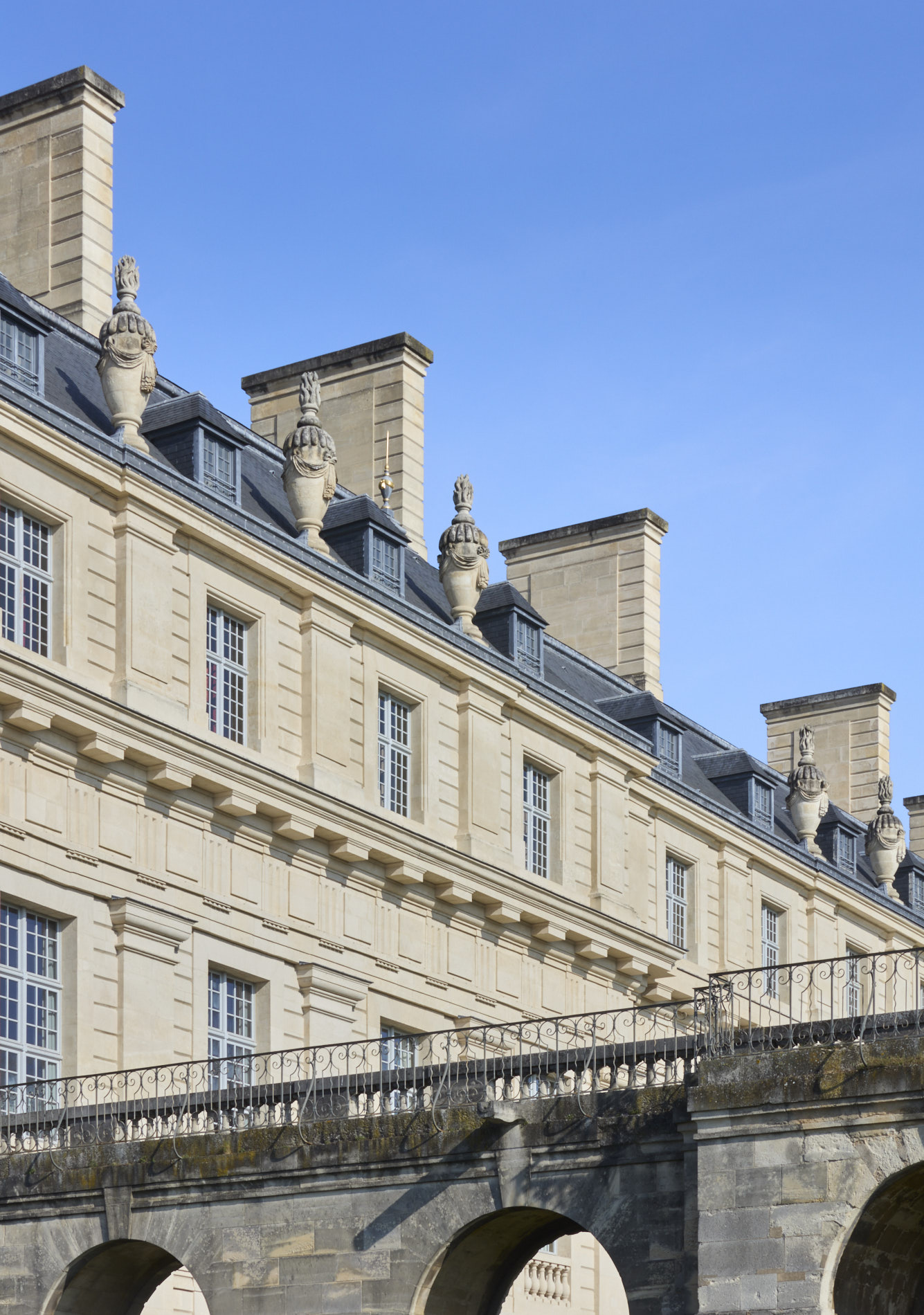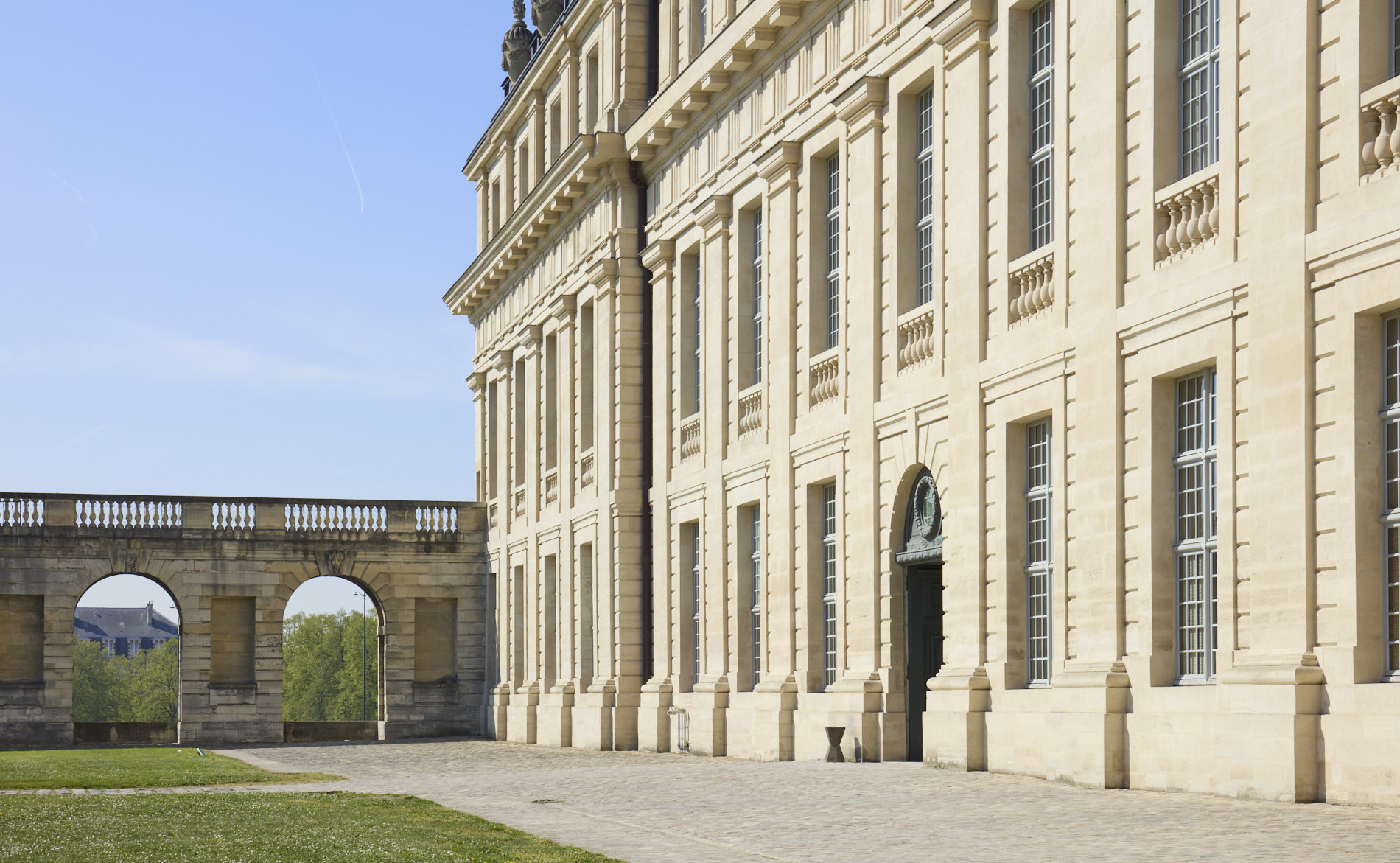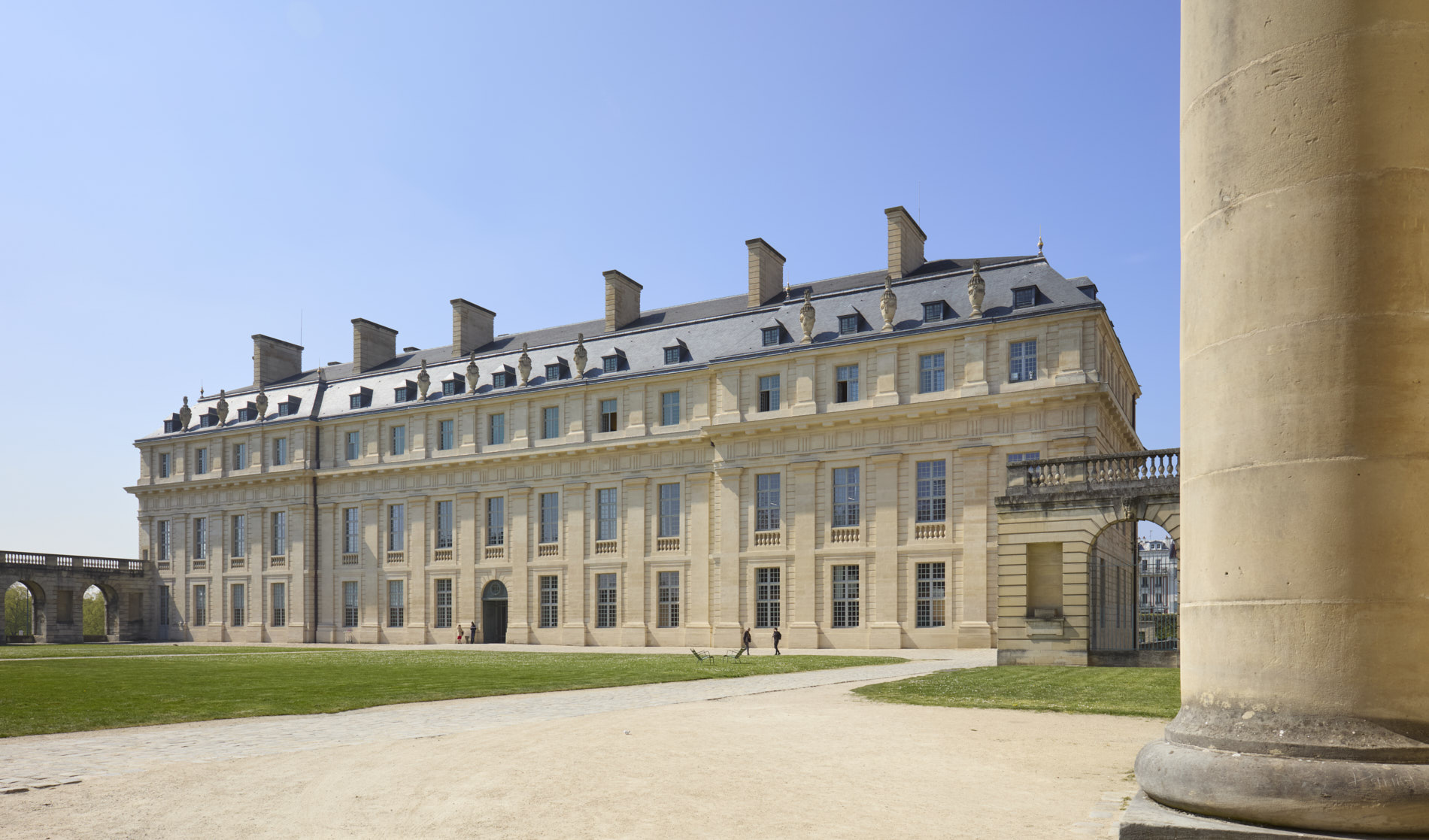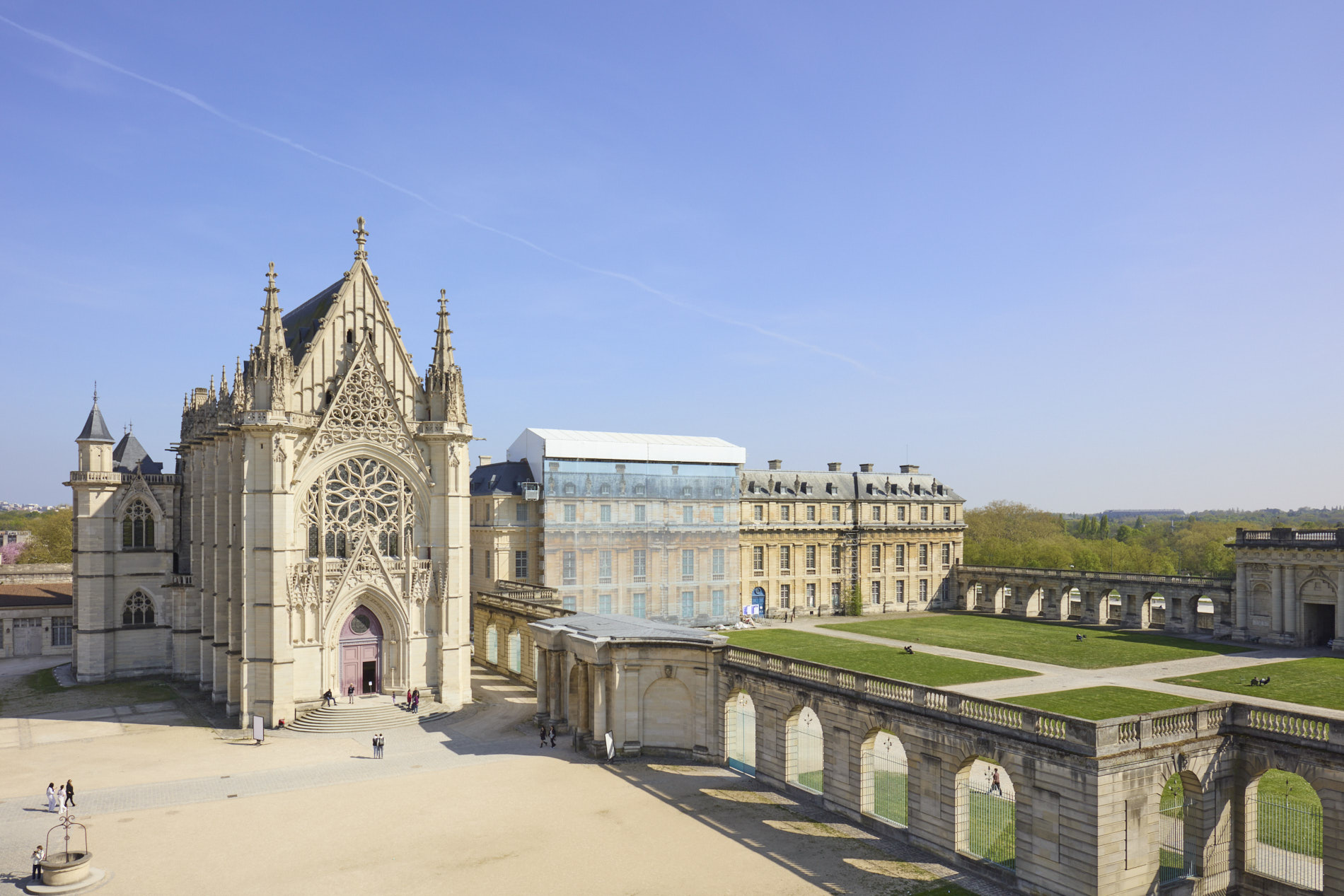
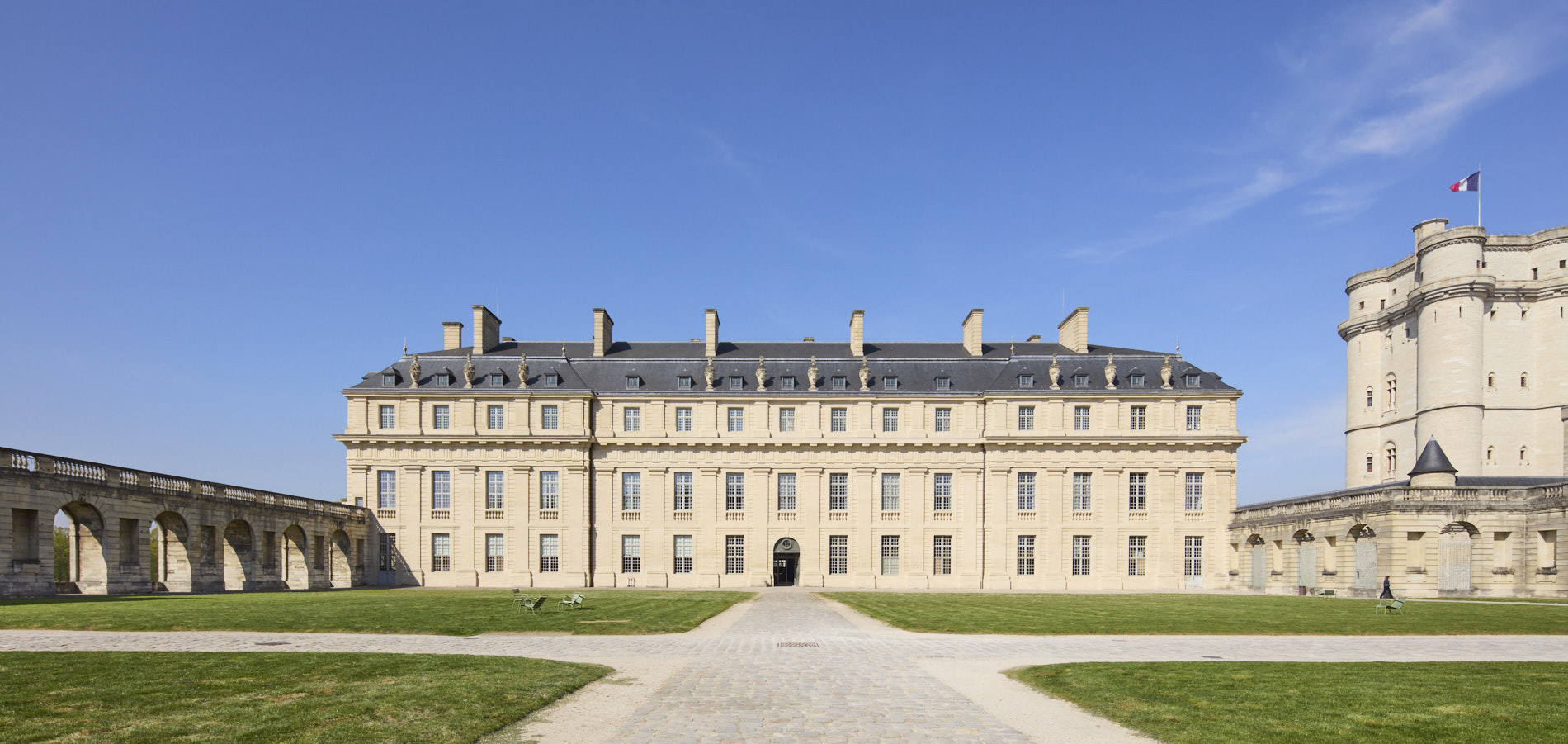
Today, the castle retains a 52-meter-high keep from its feudal architecture, completed during the reign of Charles V (1338-1380), and a monumental enclosure, over a kilometer long, punctuated by nine towers and completed by a Sainte-Chapelle founded in 1379. It was Louis VII (1120-1180) who, at the end ofthe 12th century, chose the site east of Paris to build a hunting lodge, which was transformed a century later, during the reign of Louis IX (1214-1270), known as Saint Louis, into the seat of royal power.
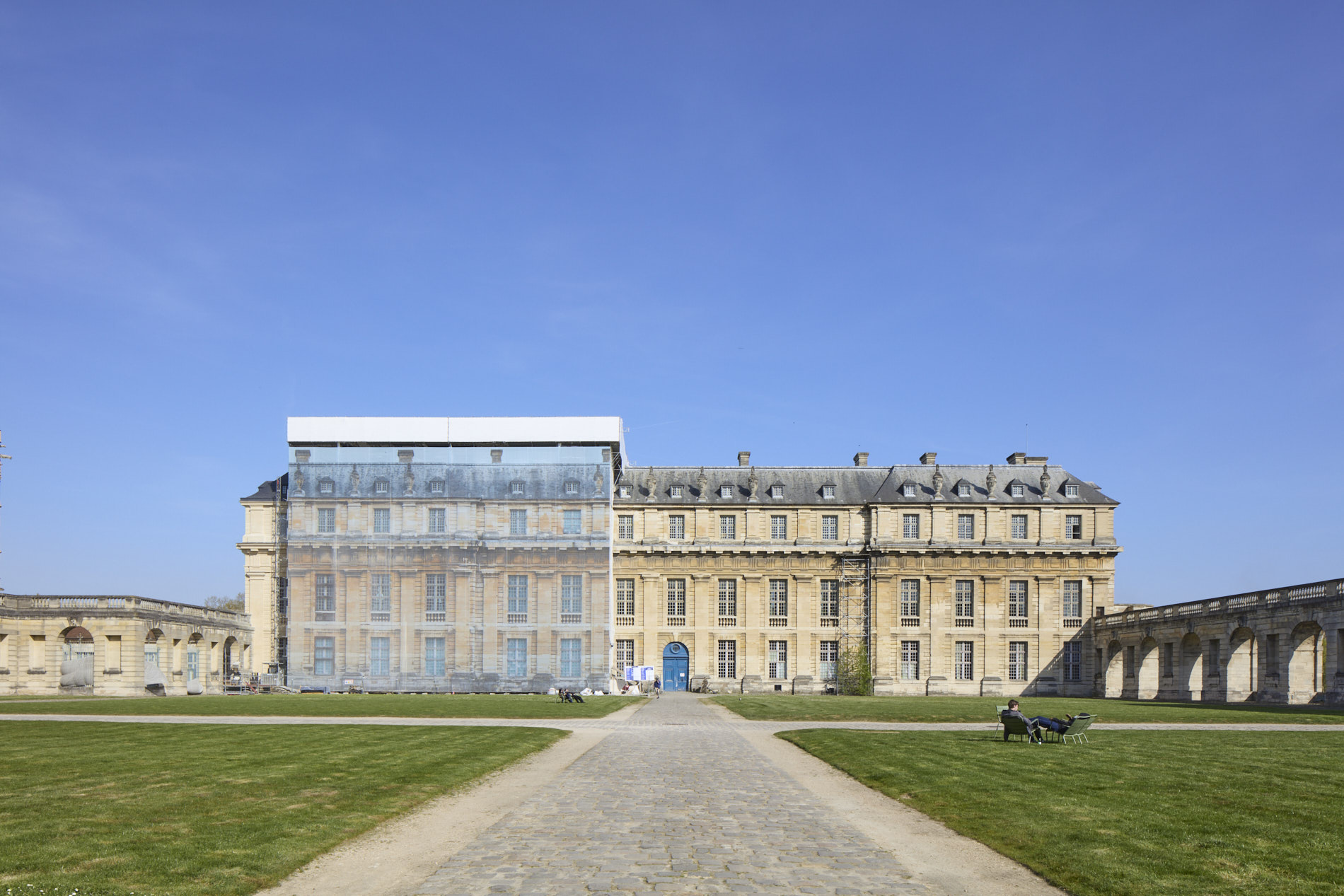
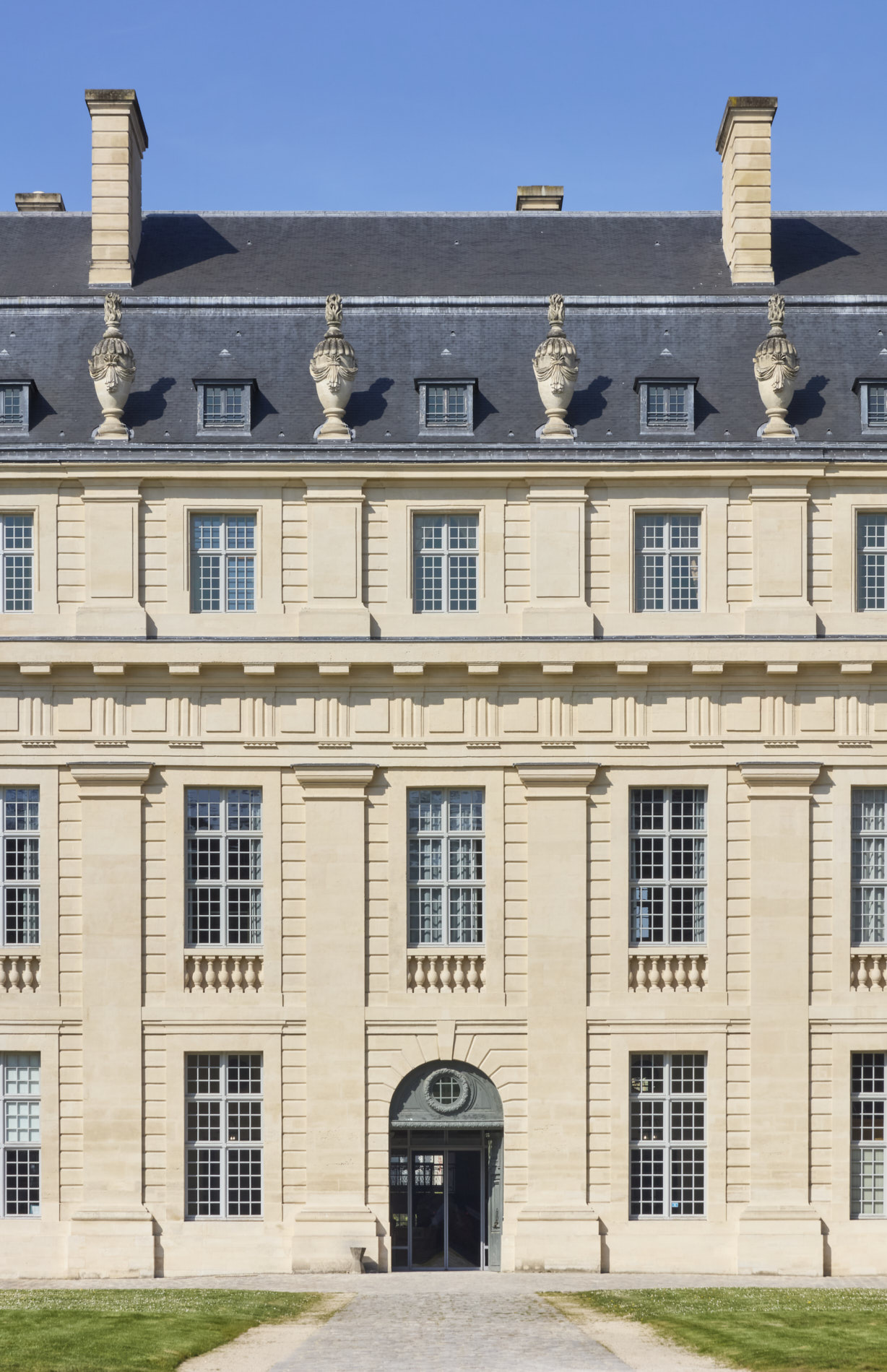
Completely restructured in the 17th century by architect Louis Le Vau (1612-1670), following Louis XIV's (1638-1715) move there during the Fronde, the site was endowed, until 1661, with new modern facilities, arranged symmetrically around a formal courtyard, with the Queen's Pavilion to the east and the King's Pavilion to the west, reflecting a profound transformation of the existing Louis XIII pavilion. At the same time, Jean-Baptiste Colbert (1619-1683), then Intendant of Finances, had a "small park" of nearly 15 hectares laid out to the west of the château, designed in the French style and extending as far as the commune of Saint-Mandé. These gardens, inspired by those of Vaux-le-Vicomte, which were then nearing completion, already foreshadowed, in their composition, those of the future Palace of Versailles.